
Minimally Invasive Spine Surgery
Smaller incision, Faster recovery, Less pain
Endoscopic Spine Surgery
Endoscopic spine surgery is a state-of-the-art, minimally invasive approach used to treat a variety of spinal conditions. By working through small incisions with minimal muscle disruption, patients often experience less pain, quicker recovery, and better outcomes compared to traditional open surgery.
Endoscopic Lumbar Microdiscectomy 1
Endoscopic Lumbar Microdiscectomy 2
Motion Preserving Surgery
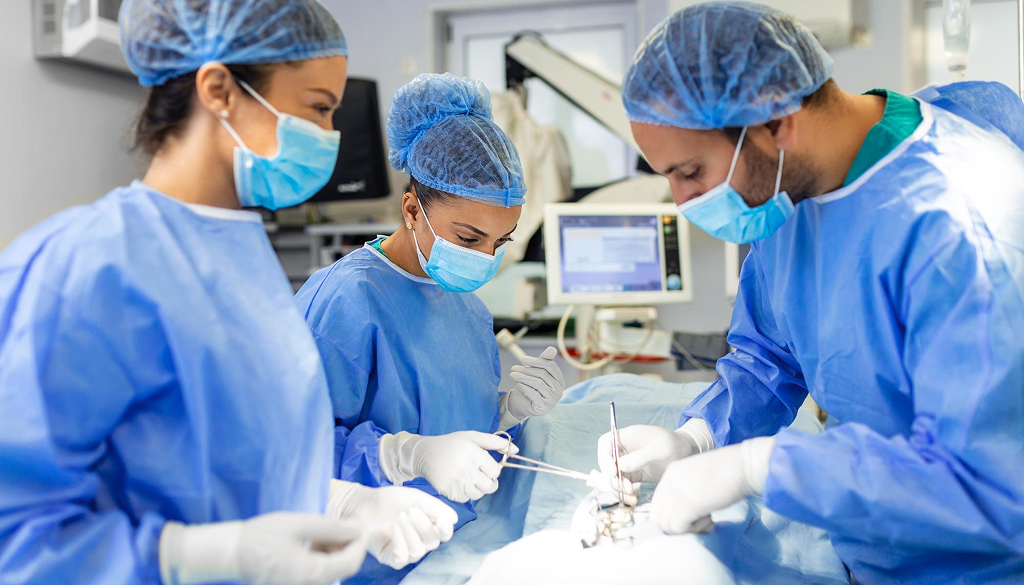
Motion Preserving Surgery (MPS) refers to a group of surgical techniques designed to treat spinal disorders while maintaining the natural movement of the spine, rather than fusing the affected segment.
- To relieve pain caused by degenerative disc disease, herniated discs, or spinal stenosis.
- To preserve the spine's range of motion for better long-term function and mobility.
- To avoid complications associated with spinal fusion, such as adjacent segment degeneration (increased stress on nearby levels of the spine).
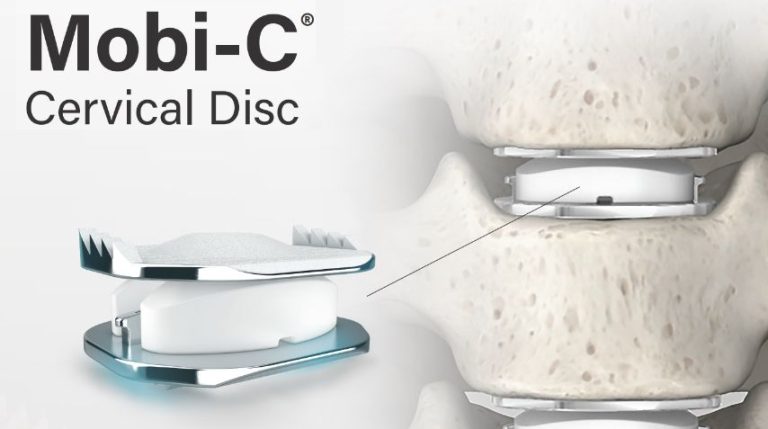
Cervical Disc Replacement
Cervical Disc Replacement (CDR), also known as Artificial Cervical Disc Replacement (ACDR) or Cervical Arthroplasty, is a motion-preserving spine surgery where a damaged or degenerated cervical disc (in the neck) is removed and replaced with an artificial disc implant.
TOPS Procedure
The TOPS Procedure is a motion-preserving spinal surgery designed to treat lumbar spinal stenosis and spondylolisthesis while maintaining movement of the spine. Instead of fusing vertebrae, the procedure uses a specialized implant called the TOPS System.
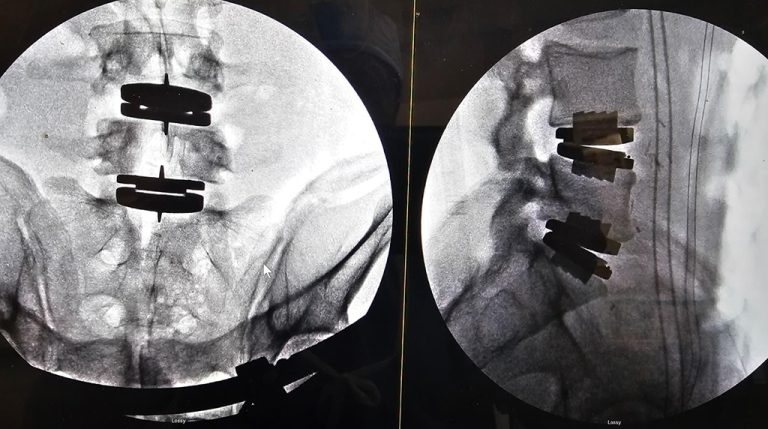
Lumbar Disc Replacement
Lumbar Disc Replacement (LDR), also known as Total Disc Replacement (TDR) or Artificial Lumbar Disc Replacement, is a motion-preserving spine surgery where a damaged or degenerated disc in the lower back (lumbar spine) is removed and replaced with an artificial disc.
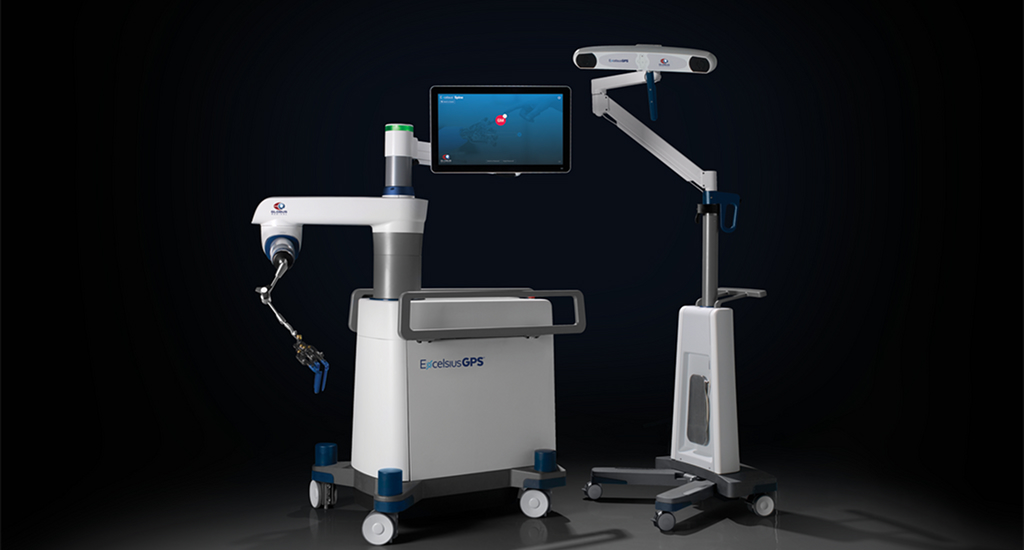
Robotic Spine Surgery
Robotic Spine Surgery is an advanced surgical technique that uses robotic-assisted technology to enhance the precision, safety, and efficiency of spinal procedures. It integrates preoperative imaging, computer navigation, and robotic guidance to help surgeons perform complex spine surgeries with high accuracy.
- Improve accuracy of screw placement and implant positioning.
- Minimize surgical trauma and tissue damage.
- Reduce risk of complications compared to conventional freehand techniques.
- Enable minimally invasive approaches for faster recovery.
Outpatient Surgery
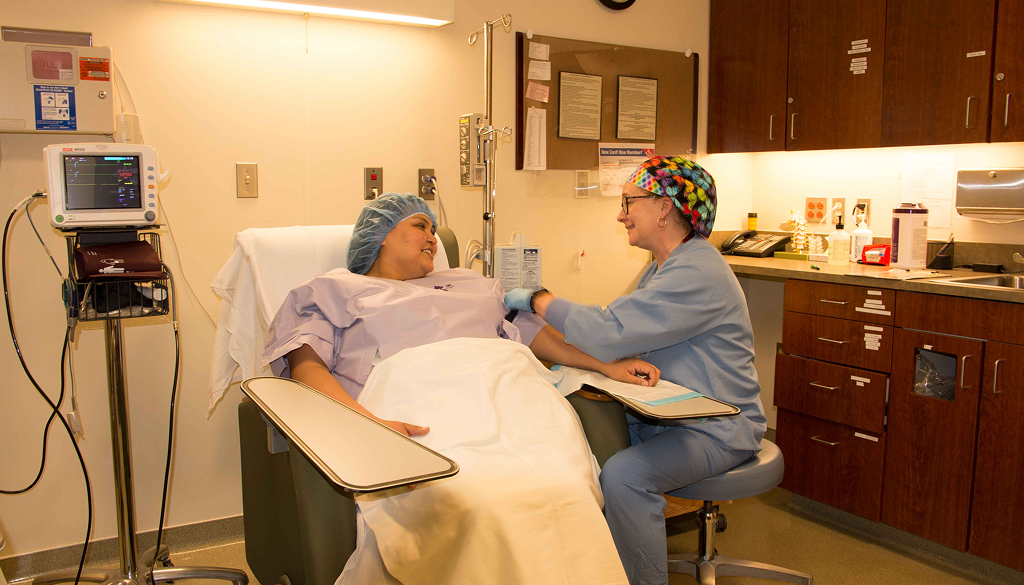
Outpatient Surgery, also known as Ambulatory Surgery or Same-Day Surgery, refers to surgical procedures that do not require an overnight hospital stay. Patients arrive, undergo surgery, and return home the same day, provided there are no complications.
- Provide safe, efficient surgical care for procedures that do not require extended postoperative monitoring.
- Minimize hospital stay, reduce costs, and allow faster recovery in a home setting.
- Support surgical methods that require smaller incisions, less tissue disruption, and shorter recovery times.
- Free up hospital beds for patients needing critical or long-term care.